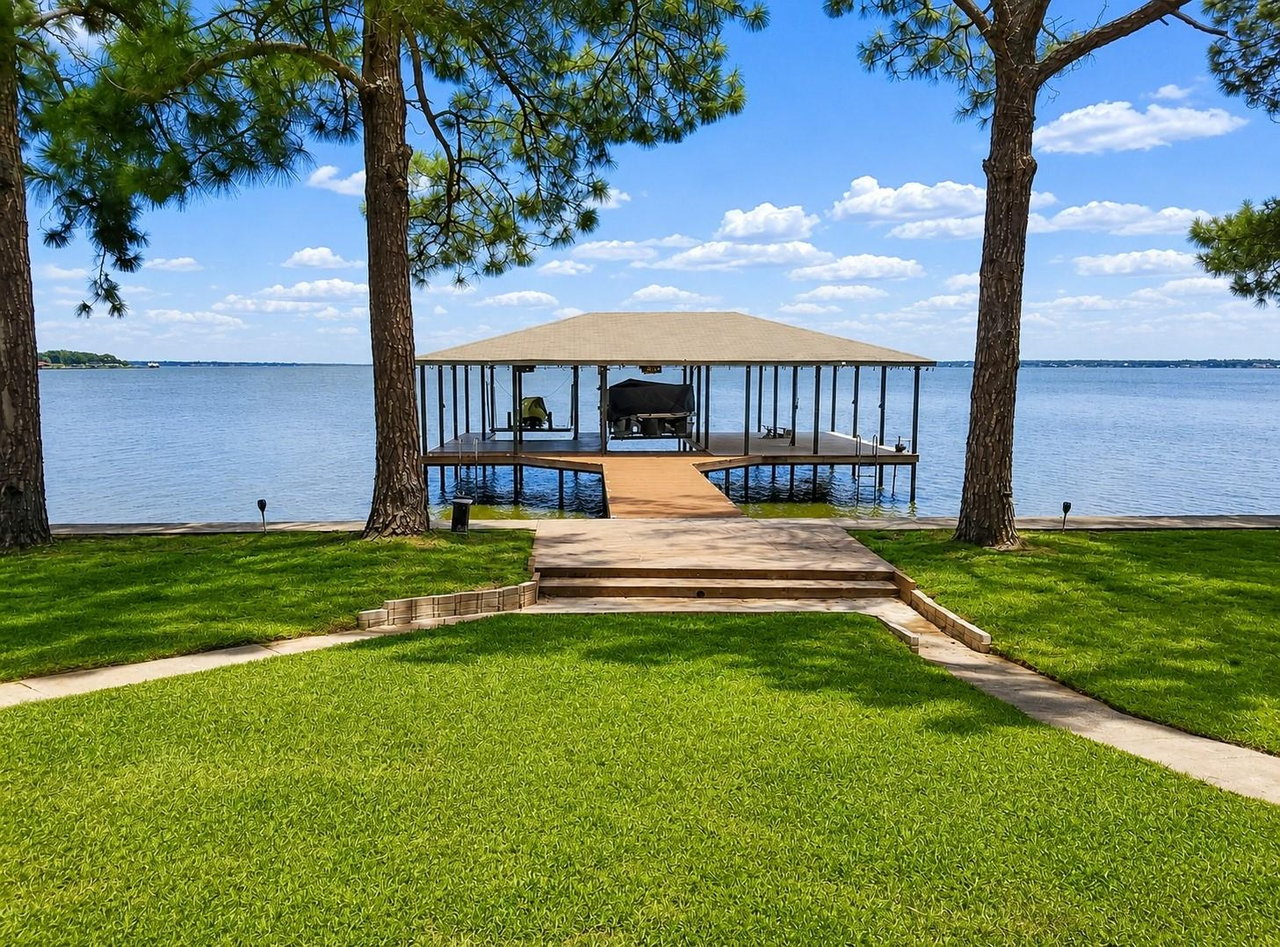
Summer vs. Winter at Cedar Creek Lake: What You Need to Know
Cedar Creek Lake is famous for summer — boats, sunsets, packed marinas, and big weekend energy. But smart buyers and long-time owners know something else:
Winter (and the shoulder seasons) are where you learn if a lake home truly fits your life.
If you’re buying, selling, or planning to use your home year-round, this guide will help you understand how Cedar Creek actually lives in summer vs. winter — and how that impacts lifestyle and value.
1) Summer at Cedar Creek Lake: High-Energy, High-Use, High-Demand
Summer is the “full volume” version of the lake.
What summer feels like
-
Busy weekends and strong boat traffic
-
Families and DFW second-home owners in full swing
-
Marinas and boat-up spots alive
-
Outdoor living becomes the main living space
-
Most rentals book fastest in this season
Why buyers love summer Cedar Creek
-
Instant lifestyle: the lake is doing what you dreamed it would do
-
Social energy: you’ll meet neighbors fast
-
Maximum lake usability: swimming, tow sports, cruising, fishing — all peak
What summer reveals about a property
Summer is when you find out:
-
Is your cove calm or a wake highway?
-
Is your dock deep enough for your boat at peak use?
-
Is your patio shaded and comfortable in Texas heat?
-
Is parking adequate when guests show up?
-
Is your shoreline/dock holding up to heavy activity?
Summer is the “fun test.”
2) Winter at Cedar Creek Lake: Quiet, Clear, and Revealing
Winter is Cedar Creek’s reset — and honestly, it’s where the lake’s true personality shows up.
What winter feels like
-
Peaceful, low-traffic water
-
More local / full-time owners than weekend crowds
-
Early sunsets and cozy indoor evenings
-
Crisp mornings perfect for coffee + views
-
Fishing can be excellent in certain pockets
Why winter matters to buyers
Because winter answers the hard questions:
-
Does the house still feel like a retreat when it’s quiet?
-
Is it comfortable and efficient when it’s cold?
-
Is your access road reliable after storms and cold fronts?
-
Do you love the lake when boating isn’t the main event?
Winter is the “fit test.”
3) How the Seasons Change What You’ll Use
Summer priorities
-
Outdoor kitchens & grills
-
Shaded patios and lounging zones
-
Swim steps, safe dock access
-
Functional lifts and boat slips
-
Big open living areas for guests
Winter priorities
-
Great heating + insulation
-
Fireplace / cozy gathering spaces
-
Reliable internet for work / streaming
-
Views that feel beautiful even without green foliage
-
Easy maintenance while you’re not using the lake daily
A summer-perfect house can feel frustrating in winter if it’s drafty, dark, or laid out like a “party cabin” instead of a real home.
4) Summer Brings Wear. Winter Reveals Damage.
This is the ownership reality.
Summer stress points
-
Dock boards loosen from constant wet feet and wakes
-
Lift motors and cables work harder
-
Shorelines take a beating from wake action + storms
-
HVAC runs nonstop
-
Irrigation and landscaping get challenged by heat
Winter stress points
-
Water-level drawdowns can expose dock supports
-
Cold snaps test plumbing and outdoor systems
-
Wind off open water can accelerate exterior wear
-
Leaves and debris collect in gutters and roof valleys
If a property is maintained well, it handles both.
If it isn’t, winter finds the cracks.
5) Market Behavior: Summer Sells Emotion, Winter Sells Truth
This is useful whether you’re buying or selling.
Buyer behavior
-
Summer buyers buy on lifestyle emotion.
-
Winter buyers buy on value + practicality.
Summer tours create “I have to have it.”
Winter tours create “this is a smart buy.”
Seller strategy
-
Summer listings should scream lifestyle: dock, patio, boat-ready fun.
-
Winter listings should emphasize comfort + readiness: views, fireplaces, insulation, low-maintenance systems, quiet retreat feel.
Great sellers adapt the story to the season they list in.
6) What to Look For If You’re Buying in Summer
Summer shows you the lake at its biggest.
Ask yourself:
-
Can I handle this traffic level on my shoreline?
-
Is this cove the right energy for my family?
-
Is the dock safe and easy for heavy use?
-
Is outdoor living actually comfortable at 95°?
-
Does the neighborhood feel like my kind of weekend?
If you love a home in summer, your job is to verify it will still feel good in winter.
7) What to Look For If You’re Buying in Winter
Winter is the honest version.
Ask yourself:
-
Is the home warm and efficient?
-
Do I still love the view without full foliage?
-
How quiet is this pocket when the crowds leave?
-
Is the road access and driveway practical in bad weather?
-
Does the house feel like a “daily home” if my lifestyle changes?
If you love a property in winter, you’ll almost always love it in summer.
8) Full-Time vs Weekend Owners Feel Seasons Differently
Weekend/second-home owners
-
Summer is your main stage
-
Winter is a maintenance and “quiet escape” season
-
You’ll want systems that let you lock-and-leave with confidence
Full-time owners
-
You live every season, so winter comfort matters a lot
-
You’ll care more about services, internet, heating, storage, reliability
-
You’ll want a neighborhood with year-round life, not only weekend buzz
This is why matching the home to your real use-case is everything.
How We Help Clients Make a Season-Smart Decision
Val McGilvra & Lis Arias guide buyers and sellers through both seasonal lenses:
For buyers, we help you:
-
evaluate a summer tour with winter logic
-
confirm dock depth and shoreline durability
-
choose coves vs open water based on your real lifestyle
-
avoid “summer-only magic” that won’t hold long-term
For sellers, we help you:
-
stage and market to the season’s buyer mindset
-
spotlight lake lifestyle in summer
-
spotlight retreat comfort in winter
-
price with micro-market + seasonal demand in mind
Because the right lake home should win in every season.
Bottom Line
At Cedar Creek Lake:
-
Summer shows you the dream.
-
Winter shows you the truth.
A smart buyer experiences both mentally.
A smart seller markets for the season they’re in.