Financing a Lake House in Texas: Things Buyers Often Overlook
Buying a lake house at Cedar Creek Lake is exciting — but the financing side is where good deals get made (or quietly fall apart). Lake properties aren’t financed exactly like suburban homes. Lenders see extra risk, insurers have extra rules, and buyers often get surprised late in the process.
Here’s the straight, local, no-fluff guide to what Texas lake-home buyers need to think about before you fall in love with the view.
1) Lake Homes Are “Special Property” to Many Lenders
Even when the house looks normal, lenders often treat lake homes differently because of:
-
shoreline and erosion exposure
-
higher repair costs if something goes wrong
-
greater volatility in second-home demand
-
access issues (private roads, HOA rules, utilities)
What that means for you:
Not every lender is equally comfortable with lake property. The right lender can make your approval smooth. The wrong one adds delays, extra conditions, and sometimes a denial that feels random.
How we help:
We steer you to lenders who regularly finance Cedar Creek Lake homes, so you don’t become their “learning experience.”
2) Second-Home Rules Are Stricter Than Primary Homes
Most Cedar Creek purchases are classified as second homes — and that changes the math:
Typical differences:
-
higher down payment expectations
-
slightly higher rates than a primary residence
-
tougher debt-to-income (DTI) scrutiny
-
more documentation if you’re self-employed
-
more conservative appraisals in niche markets
Attorney-brain takeaway:
Your loan approval is tied to use-case classification. If your lender misclassifies (second home vs investment), it can change your rate, your terms, or kill the deal.
3) Investment vs Second Home: Don’t Confuse Them
This is a big one.
Second home
-
You intend to use it personally most of the year
-
You might rent it occasionally
-
Lenders expect owner use
Investment property
-
Your primary intent is rental income
-
Lenders price this as a business risk
Why it matters:
Investment loans usually require:
-
more down
-
higher interest rates
-
stricter reserve requirements
-
different insurance rules
Pro move:
Be clear up front about your real plan. We help you phrase this correctly so your financing aligns with your goals.
4) Flood Risk Isn’t Always Where You Think It Is
Texas lake homes can have:
-
flood risk even outside FEMA zones
-
water-level fluctuation issues (drawdowns/refills)
-
shoreline slump and bank erosion
-
runoff and drainage surprises
Lenders may require flood insurance if:
-
FEMA maps show risk
-
the appraiser flags water exposure
-
the underwriter uses private flood models
What buyers overlook:
Flood insurance costs can materially change your monthly payment — so you want to know this before you negotiate price.
How we help:
We flag flood/shoreline indicators early and help you estimate the real carrying cost.
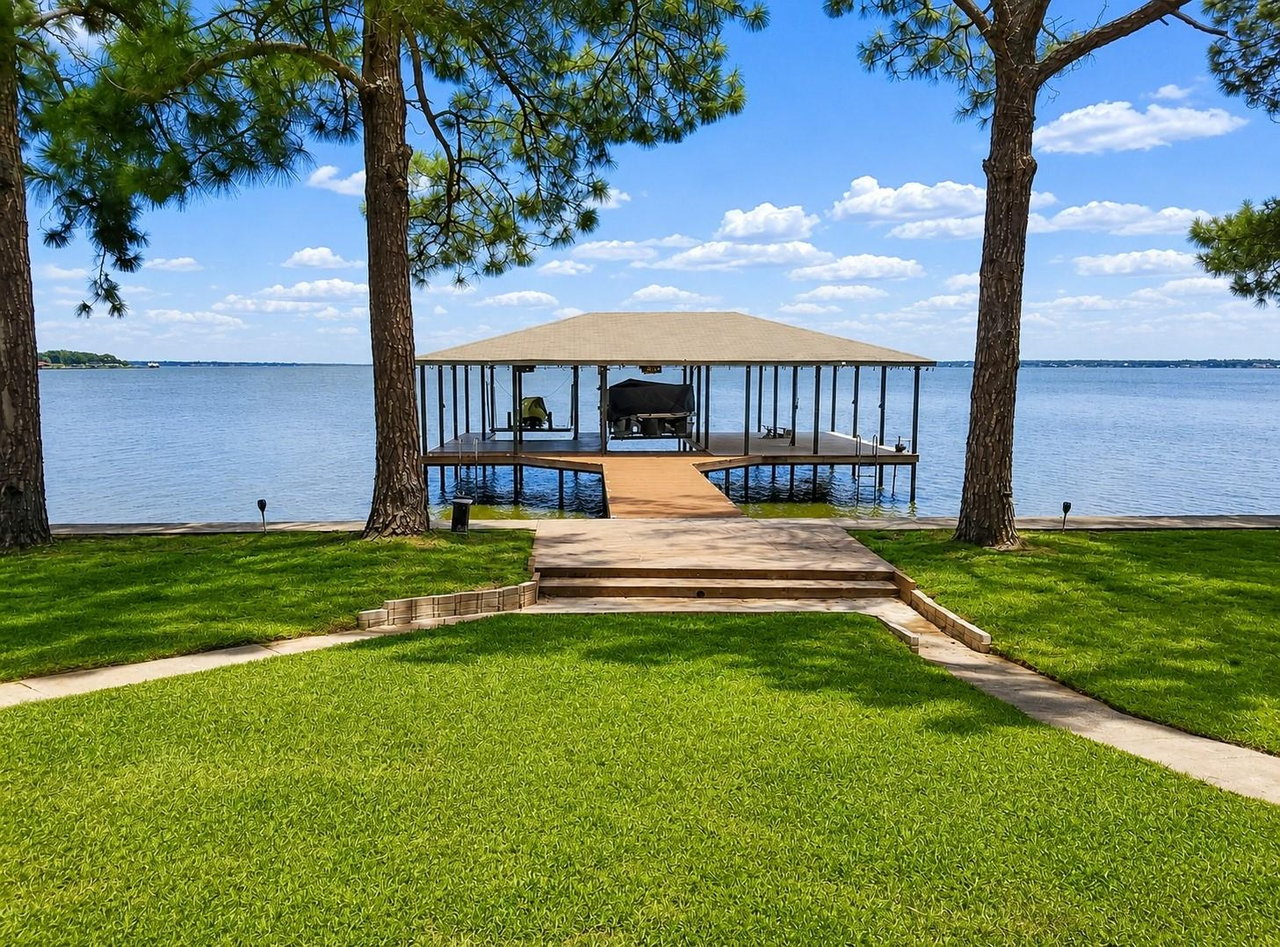
5) Dock, Boathouse, and Shoreline Conditions Affect Financing
Lake value isn’t just the house — it’s the usable water lifestyle. Lenders and appraisers look closely at:
-
dock structure integrity
-
boathouse legality and permits
-
shoreline stabilization / bulkhead condition
-
erosion evidence behind retaining walls
-
access to the water (stairs, paths, slope)
A dock that’s unsafe or non-compliant can trigger:
-
repair requirements before closing
-
appraisal value reductions
-
insurance issues
Tom Ferry-style truth:
Condition drives leverage. If the lake features are weak, buyers can negotiate — but only if you catch it early.
6) Appraisals on Lake Homes Are a Different Game
Appraisers don’t just compare square footage. They weigh premiums for:
-
true lakefront vs lake-view vs lake-access
-
open water vs protected cove
-
water depth and dock usability
-
view corridors
-
frontage length
-
community branding (Long Cove / Pinnacle / Star Harbor, etc.)
Common buyer surprise:
Two homes with similar size can appraise wildly differently based on frontage and view.
How we help:
We pre-evaluate comps like an appraiser would, so you walk in knowing what value is likely to hold.
7) HOA / Community Dues Change Debt-to-Income
Some buyers mentally ignore HOA dues. Underwriters don’t.
At Cedar Creek, dues can include:
-
gated entry + security
-
clubhouse amenities
-
golf or social membership
-
community docks and lakefront maintenance
-
road upkeep
Why it matters:
HOA dues count against your DTI and can reduce your approval amount.
Pro move:
We confirm dues and any transfer fees early and factor them into your true buying power.
8) Insurance Can Be More Complex Than the Mortgage
Even if financing is approved, insurance can become the last-minute roadblock.
Lake-home insurers often scrutinize:
-
roof age and material
-
water proximity and slope to shoreline
-
boathouse electrical / lifts
-
foundation and drainage
-
prior claims history in the area
Buyer mistake:
Waiting until after contract to shop insurance.
Sometimes insurance premium or eligibility becomes the real limiting factor.
What we recommend:
Get insurance quotes during option/inspection period so there’s no ugly surprise.
9) Reserve Requirements Catch People Off Guard
Many lenders want to see:
-
extra cash reserves post-closing
-
6–12 months of payments sitting in liquid accounts
-
more if you own multiple properties
That’s especially true for second homes or buyers with variable income.
Action step:
Before you write an offer, we help you and your lender align on reserve requirements so your deal doesn’t stall after you’ve emotionally committed.
10) The “Hidden Costs” That Change Your Payment
Lake houses come with costs buyers often don’t put in the spreadsheet:
-
dock/boathouse maintenance
-
bulkhead or shoreline stabilization budgets
-
landscaping for erosion control
-
marina or boat storage fees
-
HVAC and water-system servicing
-
short-term rental management fees (if applicable)
Tony Robbins-style mindset shift:
Don’t ask “Can I buy it?”
Ask “Can I own it comfortably for 10 years?”
How We Make Financing Easier (Without Surprises)
When Val McGilvra & Lis Arias guide a Cedar Creek buyer, our financing work starts before the offer:
We help you:
-
choose a lake-savvy lender
-
forecast appraised value using local premiums
-
identify insurance and flood flags early
-
estimate true monthly carrying cost (dues + maintenance + insurance)
-
negotiate repairs and concessions strategically when the lake features justify it
That prevents the two most common lake-home mistakes:
-
buying the wrong property for your use-case
-
getting blindsided in underwriting
Bottom Line
Financing a lake house in Texas is absolutely doable — but the winning buyers are the ones who understand the “lake layers”:
-
second-home vs investment classification
-
flood and shoreline risk
-
dock/boathouse condition + legality
-
appraisal premiums for water + view
-
HOA dues and reserve requirements
-
insurance hurdles
If you want, tell us the property you’re looking at (or your budget band), and we’ll map out:
-
realistic payment range
-
likely appraisal outcome
-
insurance/flood red flags
-
negotiation angles that protect your deal