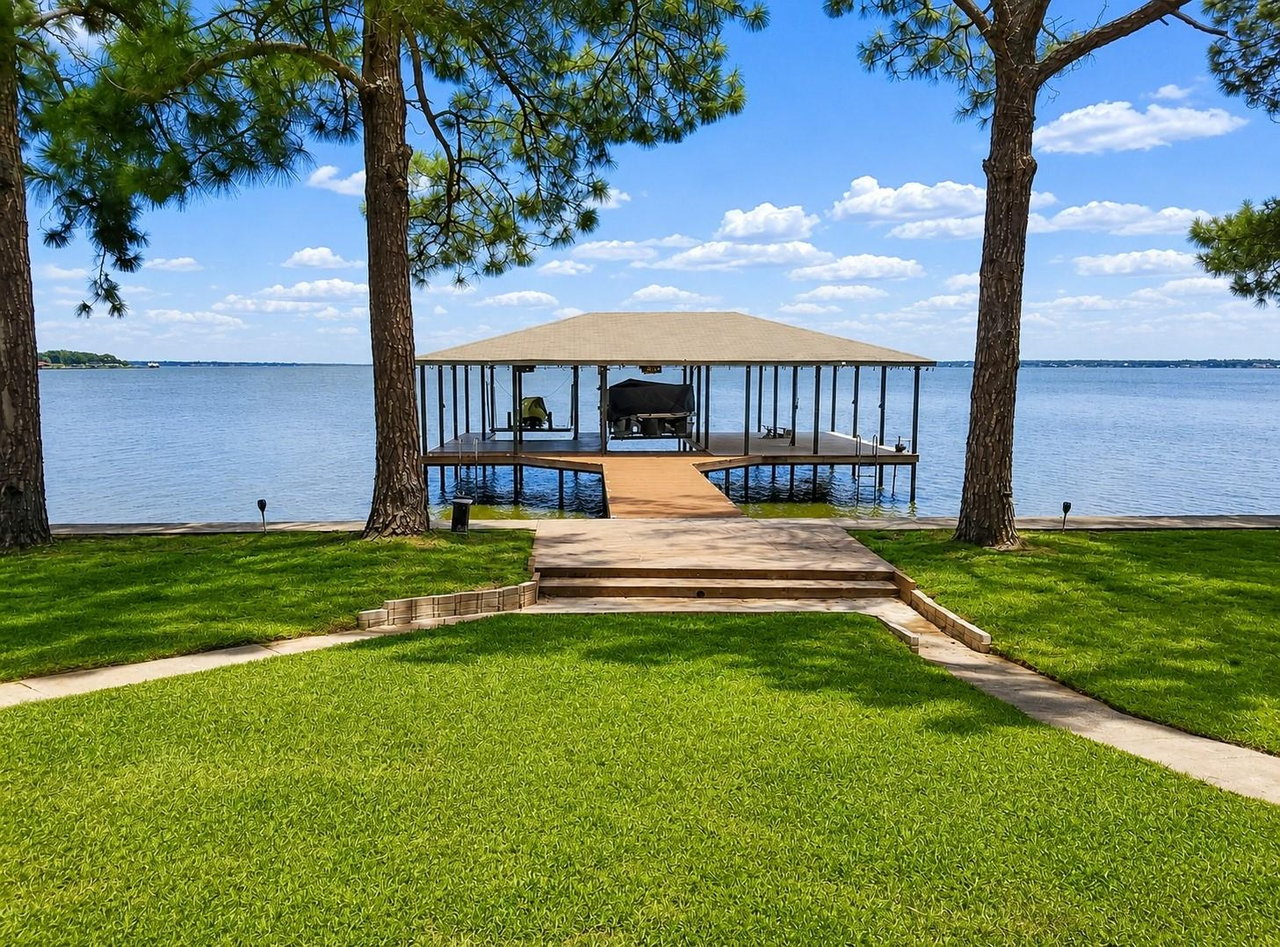
Safety and Maintenance of Your Cedar Creek Lake House: Docks, Lifts, Storms & Smart Budgeting
Lake homes are pure joy — until something breaks on a holiday weekend. The difference between “easy lake life” and “constant repairs” is a simple thing: a predictable maintenance rhythm.
At Cedar Creek Lake, the big three maintenance categories are:
-
dock/boathouse systems
-
waterfront + weather exposure
-
seasonal wear and tear
Here’s a straightforward, lake-owner–friendly guide to staying safe, protecting value, and budgeting the right way.
1) Your Dock and Boathouse: Treat Them Like a Second House
Most lake homeowners underestimate this part. Your dock and boathouse are not accessories — they’re structural, electrical, mechanical systems sitting on moving water.
The annual dock safety checklist
Walk it top to bottom at least twice a year:
Structure
-
check for soft boards, loose screws, wobbly rails
-
inspect pilings or posts for movement or rot
-
look for sagging decking or uneven sections
Electrical
-
test lights and outlets
-
check conduit for cracking or exposed wiring
-
confirm GFCI outlets are working
-
if you ever feel a “tingle” in water — stop using it and call an electrician immediately
Lift systems
-
inspect cables for fraying
-
test motors and switches
-
check bunks and guides
-
lubricate moving parts
Roof + framing (boathouses)
-
check for rusted connections
-
inspect roof decking for leaks
-
look for wind damage after storms
Rule of thumb: if it’s unsafe for barefoot kids, it’s unsafe for guests and future buyers.
2) Water Levels and Clay Soil: Why Cedar Creek Docks Shift
Cedar Creek water levels fluctuate seasonally, and East Texas clays expand/shrink. That combo creates:
-
dock settling
-
shifting ramps
-
shoreline “pull” behind bulkheads
-
stair movement on steep lots
So if you notice:
-
ramps getting steeper
-
a dock “out of square”
-
soil separating behind a wall
…don’t ignore it. These issues don’t self-correct — they compound.
3) Shoreline / Bulkhead Health: Protect the Bank That Holds Your Value
Your shoreline is literally your foundation for lake value.
Walk-the-bank checklist (every spring + fall)
Look for:
-
cracks or gaps in retaining walls
-
bulging, leaning, or step-displacement
-
repeated sinkholes behind the wall
-
muddy seepage during rise/fall
-
tree roots pulling soil forward
Simple rule:
-
straight wall + small localized issues = repair
-
leaning/bowing + recurring voids = replace
If you catch it early, you usually save a lot of money.
4) Storm Readiness: Cedar Creek “Reality Prep”
Storms hit lake properties harder because wind has a clear run over open water.
Before storm season
-
trim dead limbs over roof or dock
-
secure patio furniture and umbrellas
-
check gutters and drainage
-
confirm sump pumps (if any) work
-
keep tarps/straps in storage
After major storms
-
check roof first
-
check dock/boathouse for structural shift
-
look for fresh shoreline erosion
-
verify electrical systems on the dock
-
look for downed tree damage you can’t see from the house
Pro tip: take baseline photos of dock, shoreline, and key exterior angles each season. That helps insurance and helps you track movement.
5) Seasonal Maintenance Rhythm (Simple and Realistic)
You don’t need a spreadsheet empire. You need a rhythm.
Spring “Wake Up the Lake House”
-
HVAC service + filter swap
-
dock and lift inspection
-
shoreline/bulkhead walk
-
pressure wash patios and stairs
-
check for winter moisture or pests
-
open irrigation and aim it away from the lake
Summer “High Use”
-
clean dock surfaces regularly
-
check lift cables monthly
-
watch shoreline after heavy rain
-
keep a flotation ring / first aid kit visible
Fall “Secure and Simplify”
-
clean gutters and roof valleys
-
trim shoreline vegetation
-
inspect bulkhead again
-
service boat lift motors
-
store movable dock furniture
Winter “Protect and Monitor”
-
winterize outdoor plumbing
-
keep heat stable to avoid pipe stress
-
check boats/coverings after cold fronts
-
do a mid-winter shoreline check if water drops
6) Budgeting: What Lake Owners Should Expect
Here’s a practical way to think about costs without over-complicating:
Ongoing annual maintenance buckets
-
Dock/boathouse upkeep
-
wood replacement, hardware, cable swaps, electrical servicing
-
-
Shoreline / erosion control
-
bulkhead repairs, grading, drainage, native planting
-
-
Outdoor living wear
-
patios, stairs, lighting, grills, furniture
-
-
Storm/seasonal surprises
-
fallen limbs, wind damage, water intrusion
-
A healthy rule of thumb:
-
Plan ~1%–2% of home value per year for maintenance on a waterfront property.
-
If you’re older construction or have a complex boathouse, plan on the higher end.
It’s easier to budget calmly than react emotionally.
7) Safety for Families and Guests (Especially Rentals)
If anyone besides you uses the home, safety becomes a resale and liability issue.
Non-negotiables
-
clear depth / no-diving signage
-
life ring + rope on dock wall
-
dock lighting for night use
-
slip-resistant paths to the water
-
labeled lift switches
-
child-safe railings if higher dock sections exist
Guests (and kids) don’t behave like owners. Plan accordingly.
How We Help Cedar Creek Clients Stay Ahead of Maintenance
Val McGilvra & Lis Arias don’t just sell you a lake home and disappear. We help buyers and owners:
-
identify dock/bulkhead red flags before purchase
-
estimate true ongoing ownership costs
-
connect with reliable dock, bulkhead, and shoreline pros
-
prioritize only the upgrades that protect value
-
prepare a pre-listing maintenance punch-list that removes buyer objections
Because the easiest lake ownership is the one that’s planned, not reactive.
Bottom Line
A Cedar Creek Lake home stays safe, enjoyable, and valuable when you:
-
inspect docks and lifts twice a year
-
walk the shoreline every season
-
prep smartly for storms
-
follow a simple seasonal rhythm
-
budget like a lake owner, not a suburban owner