Insurance & Flood/Erosion Risk on Cedar Creek Lake Properties
(What insurers look at, what buyers should prepare for, and how to protect your investment)
Lake life is amazing — until a storm, a shoreline shift, or an insurance surprise makes it stressful. At Cedar Creek Lake, insurance and risk aren’t afterthoughts. They’re part of smart ownership, smart buying, and smart resale.
This guide walks you through what really matters in 2025–2026 for lake-home coverage, especially for waterfront properties in Kaufman and Henderson Counties.
1) First Principle: Standard Homeowners Insurance Does Not Cover Flooding
This catches a lot of first-time lake buyers off guard:
-
Homeowners insurance excludes flood damage.
-
Flood coverage is a separate policy through NFIP (federal) or private flood insurance. Texas Insurance Information Portal+2Abbott Insurance+2
And importantly, a meaningful share of Texas flood losses happen outside FEMA high-risk zones. Texas Insurance Information Portal+1
Translation:
Even if your lender doesn’t require flood insurance, you should still seriously consider it on or near the lake.
2) Cedar Creek Has a Defined Flood Easement Band
TRWD (the lake’s operating authority) identifies key elevations:
-
conservation/spillway elevation around 322 ft
-
100-year flood level around 325 ft
-
TRWD holds a flood easement between 322–325 ft near the shoreline. Tarrant Regional Water District
What that means for owners:
-
shoreline flooding is a known, planned-for event on this lake
-
lake levels will rise and fall seasonally and after storms
-
structures near the waterline need to be insured and maintained with this reality in mind. Tarrant Regional Water District+1
3) What Insurers Look At on Lakefront Homes
When you quote insurance for a Cedar Creek lake home, carriers typically evaluate:
A) Flood zone / elevation
-
FEMA flood map status (Zone AE, X, etc.)
-
home elevation relative to the high-water mark
-
slope to water and drainage patterns Texas Department of Insurance+1
B) Shoreline stability
They don’t love risk they can’t price. So they ask about:
-
bulkhead/retaining wall condition
-
repeated erosion or sinkholes
-
evidence of washout behind walls
A stable shoreline reduces underwriting friction and protects resale.
C) Dock / boathouse electrical
Because waterfront electricity near water can create claim risk:
-
wiring condition
-
outlets and shore power
-
lighting and lift systems
D) Roof + exterior exposure
Open-water homes get more wind and storm load.
Older roofs or siding systems can raise premiums quickly.
4) Flood Insurance: NFIP vs Private Policies
You generally have two paths:
NFIP (National Flood Insurance Program)
-
standardized coverage
-
required by lenders if in a FEMA high-risk zone
-
has firm coverage limits and rules Texas Department of Insurance+1
Private flood insurance
-
can offer higher limits or different pricing structures
-
sometimes more flexible coverage for certain homes Compare.com
Important current note: NFIP renewals have faced ongoing short-term extensions in Congress, and a lapse can pause new policies/changes temporarily. That’s another reason to handle flood insurance early in a transaction. AP News
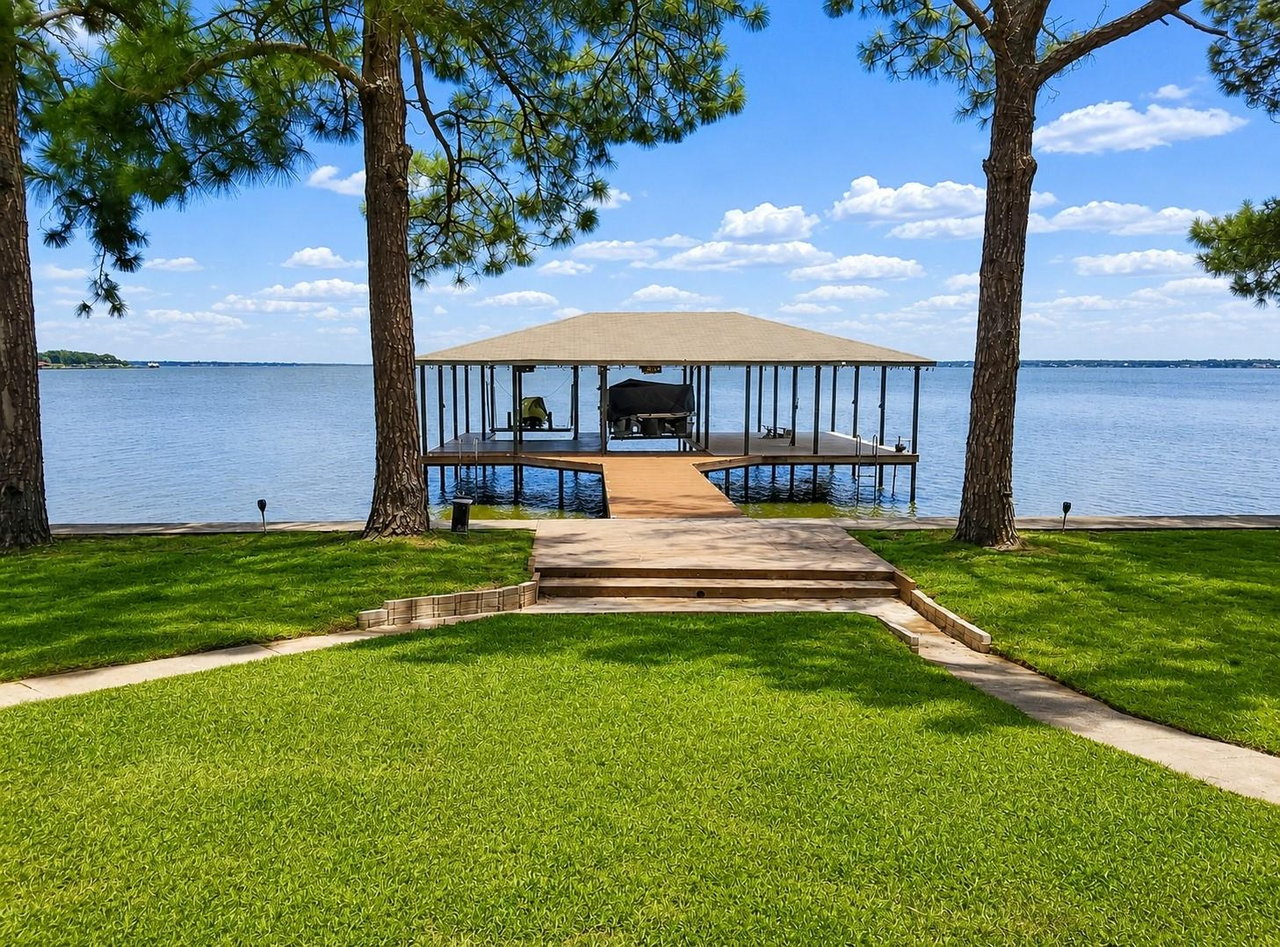
5) “Does Flood Insurance Cover My Dock or Boathouse?”
Usually not the way people assume.
Flood policies typically focus on the home structure and certain fixed components. Coverage for docks/boathouses is limited and often excluded unless specifically endorsed or covered through another policy category. LegalClarity+1
What to do:
-
ask your agent explicitly about dock/boathouse coverage
-
check whether your homeowners policy, flood policy, or separate marina/structure endorsement applies
-
document dock value and condition for underwriting.
6) Erosion and Bulkheads: Insurance Reality
Here’s the uncomfortable truth:
-
gradual erosion and normal shoreline wear are usually not covered
-
sudden storm-caused damage may be covered, depending on policy wording
-
insurers expect you to maintain your bulkhead/shoreline systems, similar to roof upkeep.
That’s why shoreline condition is both:
-
a real ownership cost line item, and
-
a real resale-value driver.
7) How Buyers Should Prepare (Before You’re Under Contract)
If you’re buying a Cedar Creek lake home, do these early:
-
Quote homeowners + flood insurance during option period, not after.
Premiums can vary a lot based on zone, elevation, dock exposure, and roof age. Compare.com+1 -
Inspect dock and shoreline like major structures.
Lenders and insurers will notice risk even if you don’t. -
Ask for claim history.
Repeated water intrusion or shoreline loss changes insurance posture. -
Budget realistically.
Waterfront ownership = higher maintenance + higher exposure.
If the numbers still feel good with true insurance cost, you’re in the right range.
8) How Sellers Can Protect Price With Insurance Readiness
Sellers who “remove risk” get cleaner offers.
High-impact prep:
-
tighten/repair dock safety issues
-
ensure shoreline/bulkhead is straight and stable
-
service lifts + dock electrical so it feels safe
-
handle obvious runoff/erosion sources
-
keep roof and exterior in strong condition
This reduces buyer insurance surprises and appraisal doubts.
9) The Big Texas Context Question: “Is Flood Risk Growing?”
Texas has seen repeated inland flood events, and many impacted homes were outside mapped flood zones and lacked coverage. Texas Insurance Information Portal+2Texas Department of Insurance+2
Whether you attribute that to weather volatility, map lag, or development patterns, the practical takeaway for Cedar Creek owners is simple:
Plan for flood risk even if your map says “low risk.”
How We Help Cedar Creek Clients Handle This Confidently
Val McGilvra & Lis Arias guide buyers/sellers through:
-
flood-zone / elevation reality checks
-
dock and shoreline inspection planning
-
insurer-friendly prep before listing
-
negotiating credits when insurance risk is real
-
connecting you with lake-experienced inspectors and shoreline pros
Because insurance confidence = buyer confidence.
Bottom Line
For Cedar Creek Lake properties:
-
flood damage isn’t covered by standard homeowners — you need a separate flood policy. Texas Insurance Information Portal+2Abbott Insurance+2
-
Cedar Creek has a known high-water/flood easement band managed by TRWD. Tarrant Regional Water District
-
insurers care deeply about elevation, shoreline stability, dock electrical, and roof/exterior exposure. Compare.com+1
-
docks/boathouses usually require special attention for coverage. LegalClarity+1
-
Texas floods often hit beyond mapped zones — so consider coverage even when not required. Texas Insurance Information Portal+1