How We Price Lake Homes at Cedar Creek Lake: What We Look At (and Why It Matters)
Pricing a lake home is not a plug-and-play “price per square foot” exercise. If you try to price Cedar Creek the way you’d price a house in a Dallas suburb, you’ll either:
-
overprice and sit (then chase the market down), or
-
underprice and leave real money on the dock.
Lake homes trade on a totally different set of value drivers. Here’s exactly what we look at when we price your property — and how that protects your bottom line.
1) We Start With the Water, Not the House
A lake home’s value is built on its relationship to the water. Two homes with similar size and finish can sell wildly apart because of water fundamentals.
We evaluate:
Waterfront vs Lake-View vs Lake-Access
-
Waterfront: true shoreline + direct boat/swim access. Highest premiums.
-
Lake-View: you see the lake, but aren’t on it. Strong premium if view is protected.
-
Lake-Access: off-water with a shared lot/park/dock. Lifestyle value, but lower premium.
This sounds basic — but the pricing gap between these categories is often the biggest one in the entire deal.
2) Shoreline Quality and Condition
Not all waterfront is equal. We price shoreline like an appraiser and a boater.
We look at:
-
Frontage length (more usable frontage = more value)
-
Bulkhead / retaining wall health
-
straight, stable walls support premiums
-
leaning/bowing walls create price reductions or concessions
-
-
Erosion risk and bank stability
-
Water usability at the edge
-
easy swim entry vs steep drop
-
safe dock paths vs awkward grading
-
Seller takeaway: a clean, stable shoreline can add more value than an interior remodel.
3) Water Depth at the Dock
Depth is a quiet premium driver.
We assess:
-
typical depth at and around the dock
-
whether it stays usable through seasonal water swings
-
bottom drop-off patterns (does it get deep quickly or stay flat?)
Deeper, reliable water supports:
-
larger boats
-
easier docking
-
better tow-sports use
-
higher buyer confidence
Translation: depth isn’t a “nice feature,” it’s a usability multiplier.
4) Open Water vs Protected Cove Position
This is a lifestyle pricing split.
Open water premiums
-
wider views
-
better wakesurf/wakeboard corridors
-
more sunset drama
-
higher luxury demand
Cove premiums
-
calmer water
-
safer for kids and paddle sports
-
better fishing off dock
-
less wake wear on docks
We don’t “rank” these as good vs bad — we price based on who wants it and pays for it.
5) View Corridors and Orientation
Lake buyers pay for what they feel every day.
We evaluate:
-
is the view open or obstructed?
-
how likely is future obstruction? (trees, docks, build-outs)
-
home orientation to water (main rooms facing lake vs sideways)
-
sunrise vs sunset exposure
-
glare and wind patterns on open-water lots
A protected, panoramic view is one of the most consistent premium drivers on Cedar Creek.
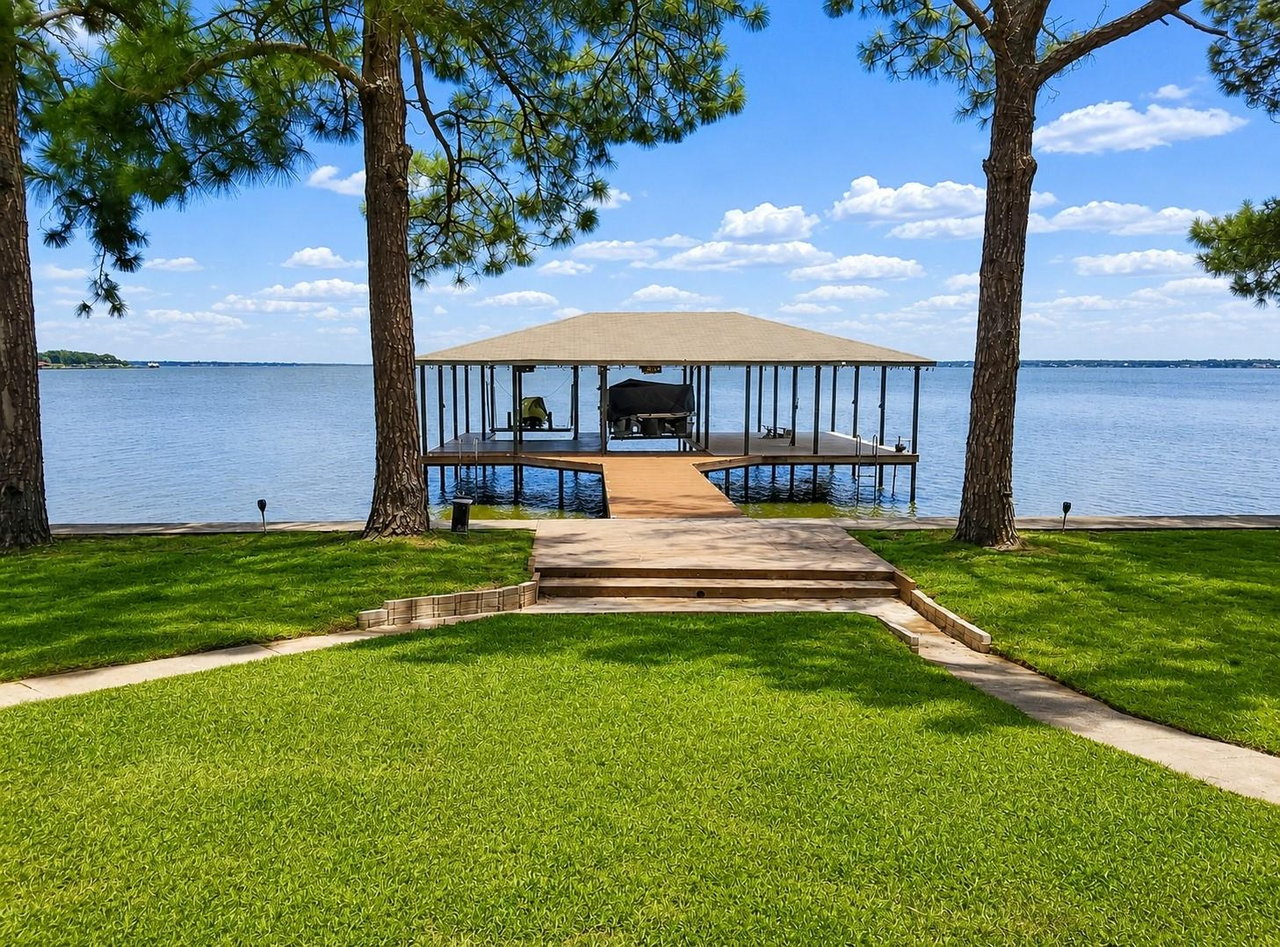
6) Dock / Boathouse Presence and Quality
The dock is a value lever — if it’s legal and usable.
We price based on:
-
dock type (floating vs fixed, timber vs composite)
-
boathouse permits and compliance
-
lift setup and condition
-
electrical and lighting
-
size and layout for lake life
(swim deck, party deck, seating)
A dock that looks great in photos but fails inspection or feels unsafe becomes a pricing drag.
7) Community Micro-Market (Neighborhood Matters More at the Lake)
Cedar Creek Lake isn’t one market. It’s dozens.
We price within the right micro-market:
-
Long Cove ≠ Pinnacle Club ≠ Star Harbor ≠ Beacon Hill ≠ open-shoreline resale pockets
-
even within one neighborhood, streets and shoreline pockets trade differently
This is why generic “lake comps” don’t work.
We price on the street + shoreline pocket + lifestyle brand buyers pay for.
8) Interior Value — But Weighted Correctly
Yes, the house still matters. But lake buyers tolerate different things than town buyers.
We price interior features according to lake-buyer psychology:
Premium interior drivers
-
open concept facing the water
-
wall-of-glass / big lake windows
-
guest-friendly layout
-
bunk rooms / flexible sleep options
-
modern, low-maintenance finishes
-
storage for lake gear
Things that matter less than you think
-
ultra-designer cabinets if the dock is weak
-
high-end flooring if the view is blocked
-
extra bedrooms that don’t connect to the lake lifestyle
Lake buyers pay for fun and ease. We weight interior value through that lens.
9) Condition, Maintenance Readiness, and “Surprise Risk”
In 2025–2026, buyers are more selective. They don’t want hidden projects.
We evaluate:
-
roof age and exterior condition
-
HVAC performance
-
moisture intrusion history
-
foundation and drainage
-
shoreline and dock maintenance backlog
If the home feels like a “to-do list,” the price gets discounted in the buyer’s mind before they even offer.
10) Timing and Market Momentum
Pricing isn’t static. It’s strategy.
We price based on:
-
current inventory level
-
days-on-market trends in your micro-market
-
seasonality (summer emotion vs winter practicality)
-
interest-rate pressure on buyers
-
recent closed sales vs “hopeful” list prices
Tom Ferry truth: “The market always speaks. We listen early so you don’t chase it later.”
11) We Build a Pricing Range, Then Choose a Launch Strategy
We don’t just pick one number and pray.
We build:
-
a realistic value range
-
a “strong-finish” target price
-
a launch plan designed to create urgency early
(because early urgency is where premiums come from)
Then we align it with your goals:
-
max price vs fastest timeline
-
prep budget vs expected ROI
-
whether you’ll still be using the home during marketing
How This Protects You as a Seller
Specialist pricing does three critical things:
-
It attracts the right buyer pool immediately.
Lake buyers are sharp. If a price doesn’t match water fundamentals, they skip it. -
It prevents painful appraisal gaps.
Overpricing a lake home is the fastest way to lose a deal in underwriting. -
It strengthens negotiation power.
When your price is defensible, concessions shrink.
Bottom Line
We price Cedar Creek Lake homes by stacking the drivers that actually move value:
-
water category (front/view/access)
-
shoreline health + frontage
-
depth + usability
-
cove vs open water positioning
-
view corridors + orientation
-
dock/boathouse quality
-
neighborhood micro-market
-
interior lifestyle fit
-
condition and risk
-
real-time market momentum
That’s how you sell with confidence — and maximize what buyers are truly willing to pay.