Cedar Creek Lake Waterfront vs. Off-Water Homes: Pros, Cons, and How to Choose
One of the first big decisions buyers face at Cedar Creek Lake is simple on paper but huge in real life:
Do you want to be on the water… or near the water?
Both can be great investments. Both can be great lifestyles.
But they are not the same product, and the right choice depends on how you’ll actually use the lake.
Let’s break it down clearly.
1) What “Waterfront” Really Means at Cedar Creek
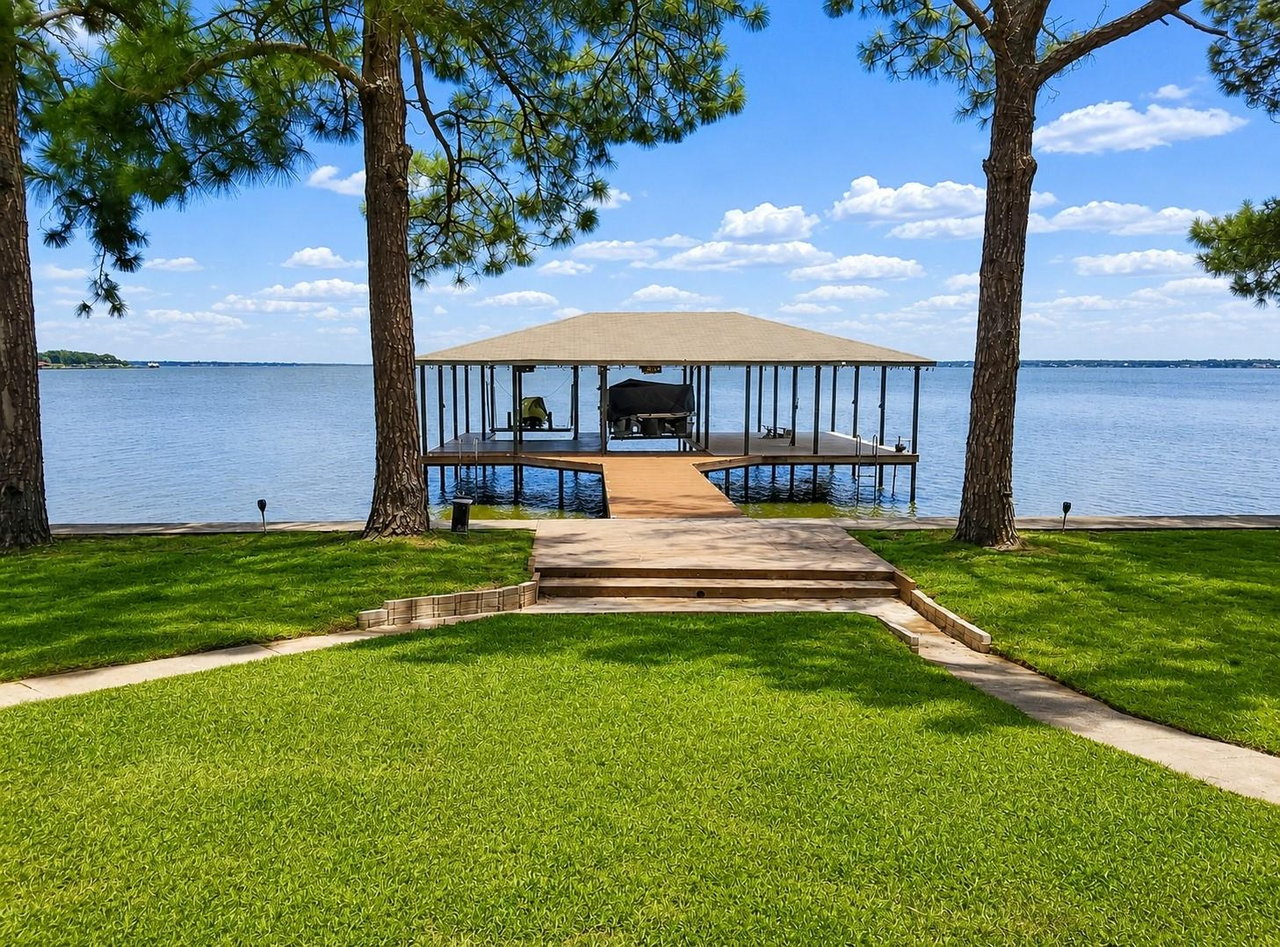
A true waterfront home typically has:
-
direct shoreline frontage
-
a dock/boathouse (or the ability to build one)
-
immediate lake access from your backyard
You’re paying for instant lake life.
Waterfront upsides
Lifestyle
-
walk out → dock → boat or swim
-
strongest “vacation feeling” every weekend
-
best for tow sports, heavy boating, and hosting
-
views are usually more dramatic and immersive
Value
-
highest demand category on Cedar Creek
-
strongest long-term premium if shoreline + dock are solid
-
usually easier resale because buyer pool is larger
Waterfront tradeoffs
Maintenance
-
docks, lifts, and boathouses need upkeep
-
shoreline/bulkhead health matters (and repairs can be real money)
-
more weather exposure and wake wear
Insurance + risk
-
more scrutiny on storms, erosion, dock electrical
-
you must stay on top of shoreline stability and drainage
Noise/traffic
-
open-water lots can be busier in summer
-
coves vary — some are peaceful, some are party lanes
Attorney-style truth:
Waterfront is a higher-reward asset, but it’s also higher-responsibility ownership.
2) What “Off-Water” Means (Lake-View or Lake-Access)
Off-water homes generally fall into two groups:
Lake-view homes
You can see the lake but aren’t on it.
Views may be beautiful, but access is not direct.
Lake-access homes
You’re not on the water, but you have:
-
deeded neighborhood access
-
a shared dock/park
-
sometimes a slip or marina option
You’re paying for lake lifestyle without lakefront liability.
Off-water upsides
Lifestyle
-
still close enough to enjoy the lake constantly
-
quieter streets in many neighborhoods
-
good fit for people who love the lake but don’t boat daily
Maintenance
-
no bulkhead to worry about
-
no dock repairs unless you share one
-
lower exterior exposure overall
Budget efficiency
-
more house for the money
-
easier entry point into Cedar Creek
-
often a smart “first lake home” ladder step
Off-water tradeoffs
Access friction
-
you may golf-cart or drive to the dock/park
-
launching a boat takes a little planning
-
shared areas have rules and etiquette
Premium ceiling
-
lake-view/access homes don’t capture the full waterfront premium
-
resale value relies more on neighborhood quality, view protection, and access quality
Tom Ferry mindset:
Off-water is a value play if the access/view story is strong and clear.
3) The Real Question: How Will You Use the Lake?
This is where the decision becomes obvious.
Choose waterfront if you:
-
boat often and want instant access
-
have kids who will swim daily in summer
-
want tow-sports readiness (wakeboard/surf/tube)
-
host groups and want the dock as a hangout zone
-
want the strongest resale premiums tied to water fundamentals
-
are okay budgeting for dock and shoreline upkeep
Choose off-water if you:
-
love the lake vibe but don’t need daily boat access
-
want privacy and lower maintenance
-
plan to use marinas more than a private dock
-
want a smarter entry price while still living the lifestyle
-
are thinking hybrid/rental but want fewer shoreline liabilities
-
want extra land/yard without waterfront cost
Tony Robbins framing:
Don’t buy the fantasy. Buy the lifestyle you’ll actually live.
4) What Moves Price the Most in Each Category
Waterfront price drivers
-
shoreline length + stability
-
depth at the dock
-
cove calm vs open-water view premium
-
dock/boathouse condition and legality
-
unobstructed view corridors
-
easy slope/path to water
-
neighborhood micro-market strength
Off-water price drivers
-
quality of the lake view (width, protection long-term)
-
clarity of access (deeded, convenient, attractive)
-
neighborhood amenities/brand
-
HOA rules for docks/parks/boat storage
-
distance to water access point
-
hosting-friendly layout + outdoor living
5) Ownership Cost Differences (Simple Reality)
Waterfront costs you should expect
-
dock/boathouse maintenance
-
lift servicing
-
shoreline/bulkhead repairs over time
-
more exterior wear from humidity and storms
-
potentially higher insurance costs
Off-water costs you often avoid
-
most dock and shoreline expenses
-
wake-driven maintenance
-
big shoreline surprises
But you may pay:
-
HOA dues for access amenities
-
marina slip fees if you want guaranteed boat storage
6) Resale Strategy: Both Can Win if Positioned Right
Waterfront resales best when:
-
dock and shoreline are turnkey
-
view is protected and showcased
-
you price based on water fundamentals, not just interiors
-
marketing leads with lake lifestyle
Off-water resales best when:
-
access/view is clear and convenient
-
the home feels like a retreat (not “second-tier”)
-
outdoor living is strong
-
you market the lake lifestyle without pretending it’s waterfront
Honesty sells faster and keeps negotiations clean.
How We Help You Choose the Right One
Val McGilvra & Lis Arias walk buyers through:
-
water-use style (tow sports vs calm coves vs fishing vs hybrid)
-
real dock usability and depth
-
shoreline risk evaluation
-
HOA/POA access rules
-
true micro-market pricing
-
a long-term plan (first lake home → upgrade path)
Because the “best” choice isn’t a category — it’s the one that fits your life and protects resale.
Bottom Line
Waterfront gives you maximum lake life and maximum premium — with higher responsibility.
Off-water gives you strong lake lifestyle value with lower maintenance — and a lower entry price.